
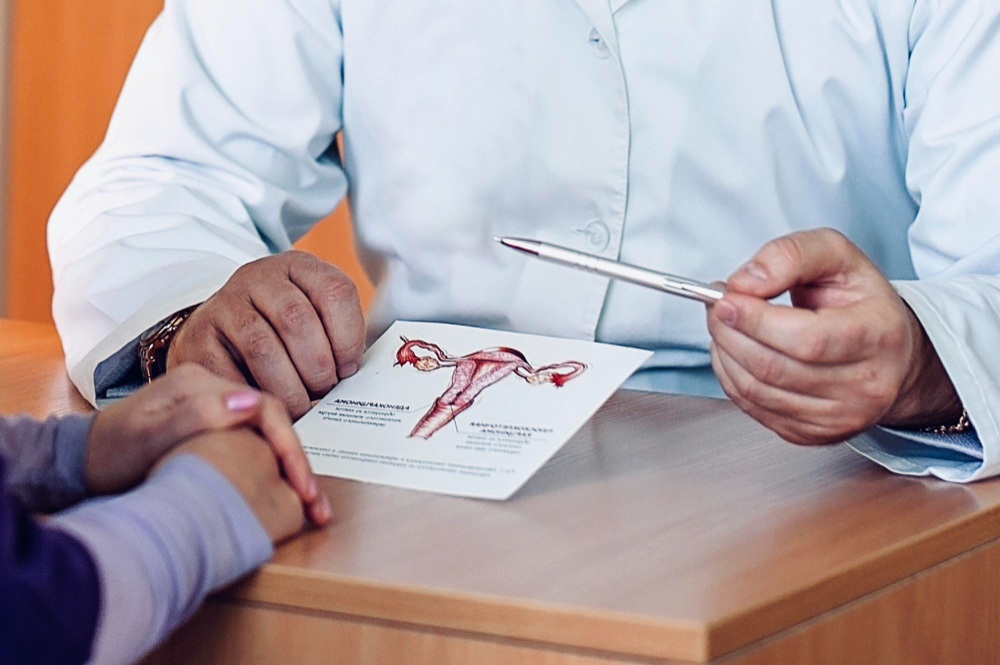
What is a Laparoscopic Hysterectomy?
Laparoscopic hysterectomy is a minimally invasive surgery to remove the uterus. Doctors use small cuts and a camera to perform this procedure. Because of this, it is often called a “lap hysterectomy.” Many women choose this option because it usually means less pain and a quicker recovery. In most cases, the ovaries and fallopian tubes may also be removed if needed. This surgery is different from traditional open surgery, which uses a larger cut.
Indications and Reasons for the Procedure
Doctors may suggest a laparoscopic hysterectomy for several reasons. Often, it is recommended when other treatments do not work. Common reasons include:
Sometimes, doctors may also suggest this surgery to prevent cancer in women at high risk.
Step-by-Step Overview of the Procedure
Before the surgery, you will meet your doctor to discuss the plan. On the day of the procedure, you will receive anesthesia to help you sleep. Here is what usually happens:
Most people go home the same day or the next day.
Benefits Compared to Traditional Hysterectomy
Laparoscopic hysterectomy offers many benefits over open surgery. For example, you may notice:
Because of these benefits, many women prefer this minimally invasive hysterectomy option.
Risks and Possible Complications
Although laparoscopic hysterectomy is safe, every surgery has risks. It is important to know about possible problems. Some risks include:
However, serious problems are rare. Your doctor will discuss “lap hysterectomy risks” with you before surgery. According to the CDC and WHO, the risk of major complications is low.
Recovery Process and Aftercare Tips
Recovery after laparoscopic hysterectomy is usually quick. Most women return to light activities within one to two weeks. Here are some tips for a smooth recovery:
Most women can return to work and normal life sooner than after open surgery. If you notice fever, heavy bleeding, or severe pain, call your doctor right away.
Frequently Asked Questions (FAQs)
When to Consult a Gynecologist
If you have ongoing pelvic pain, heavy bleeding, or other symptoms, talk to a gynecologist. Early advice can help you choose the best treatment. In addition, if you are considering a minimally invasive hysterectomy, a specialist can explain your options. Always seek medical help if you have sudden pain, fever, or heavy bleeding.
For personalized advice about laparoscopic hysterectomy, consult a gynecologist today.