
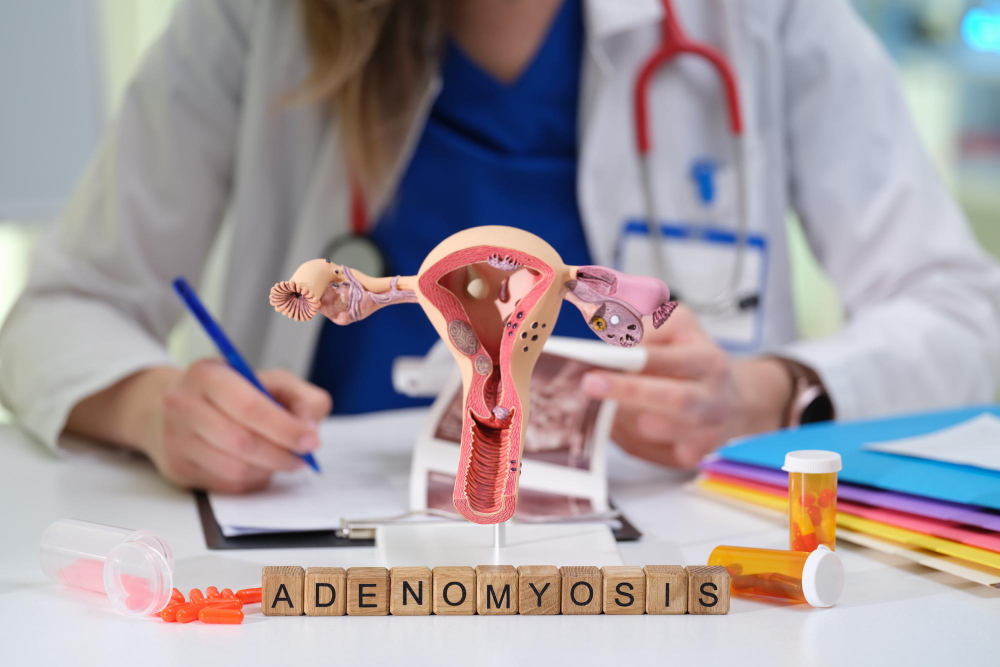
Adenomyosis and fertility are closely linked for many women. This condition can make it harder to get pregnant. In fact, many people search for answers about how adenomyosis affects fertility and what treatment options are available. If you are facing fertility challenges with adenomyosis, you are not alone. Understanding the symptoms, causes, and ways to manage adenomyosis for conception can help you make informed choices.
What is Adenomyosis?
Adenomyosis is a condition where the tissue that lines the uterus grows into the muscle wall of the uterus. Normally, this tissue stays inside the uterus. However, in adenomyosis, it spreads into the muscle. As a result, the uterus may become larger and more tender. This can cause pain and heavy periods. Although it is not life-threatening, it can affect daily life and fertility.
How Does Adenomyosis Affect Fertility?
Many women wonder about pregnancy with adenomyosis. This condition can make it harder to conceive. The extra tissue in the uterus can change its shape and function. Because of this, it may be more difficult for an embryo to implant and grow. In some cases, adenomyosis can also cause early miscarriages. However, not everyone with adenomyosis will have trouble getting pregnant. Still, if you are trying to conceive, it is important to know how managing adenomyosis for conception can help.
Common Symptoms of Adenomyosis
Often, women with adenomyosis notice certain symptoms. However, some may not have any signs at all. Even so, knowing the common symptoms can help you seek help sooner.
Sometimes, these symptoms can be mistaken for other conditions. Therefore, it is important to talk to your doctor if you notice any of these signs.
Causes and Risk Factors
Doctors are still learning what causes adenomyosis. However, several factors may increase your risk. For example, women in their 30s and 40s are more likely to develop this condition. In addition, having children or past uterine surgery can raise your risk. Hormone changes may also play a role. Although the exact cause is not clear, knowing your risk can help you stay alert to symptoms.
Diagnosis: How is Adenomyosis Identified?
Doctors use several methods to diagnose adenomyosis. First, they will ask about your symptoms and medical history. Next, a pelvic exam may be done to check for an enlarged uterus. In many cases, imaging tests help confirm the diagnosis. For example, an ultrasound or MRI can show changes in the uterus. Sometimes, other tests are needed to rule out similar conditions, such as fibroids or endometriosis. Early diagnosis can help you find the right treatment sooner.
Treatment Options for Adenomyosis and Fertility
Treatment for adenomyosis depends on your symptoms and fertility goals. Some women may need only pain relief, while others may want to improve their chances of pregnancy. Because every case is different, your doctor will help you choose the best option.
It is important to discuss all options with your doctor. Together, you can find a plan that fits your needs and goals.
Lifestyle Tips and Fertility Guidance
While medical treatment is key, lifestyle changes can also help manage adenomyosis and support fertility. For instance, a healthy lifestyle can improve your overall well-being and may ease some symptoms.
Additionally, joining a support group can help you connect with others facing similar challenges.
Prevention and When to Seek Help
Currently, there is no sure way to prevent adenomyosis. However, early detection and treatment can help manage symptoms and protect fertility. If you notice heavy periods, severe pain, or trouble getting pregnant, see a doctor. In addition, regular check-ups can help catch problems early. Remember, seeking help is the first step toward better health and fertility.
Consult a gynecologist or fertility specialist for personalized advice on adenomyosis and fertility.