
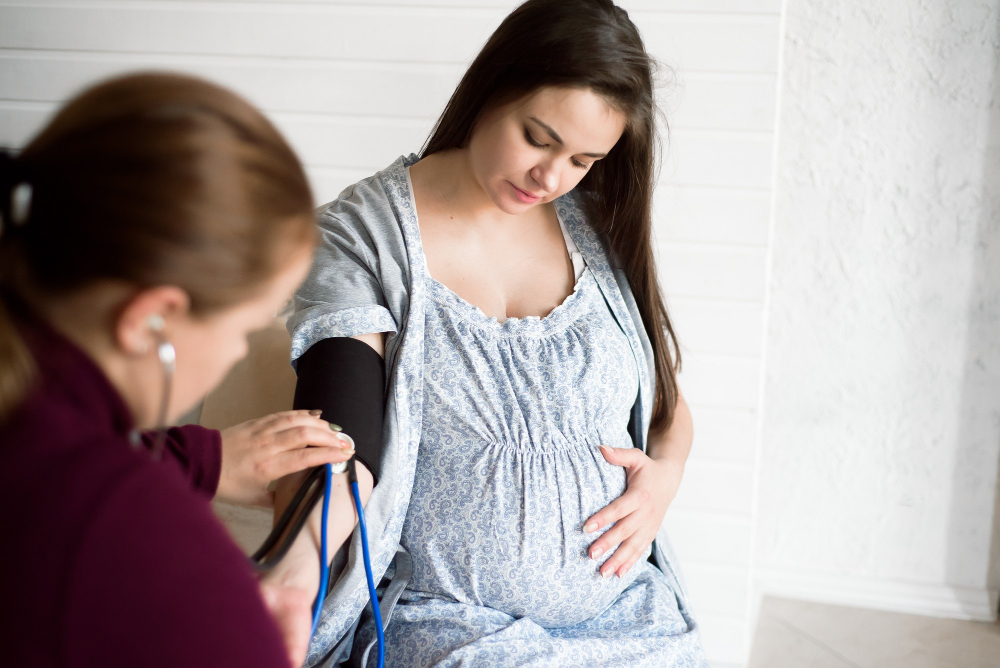
What is Preeclampsia?
Preeclampsia is a serious condition that can happen during pregnancy. It causes high blood pressure and can harm organs like the liver and kidneys. Usually, it starts after the 20th week of pregnancy. Although most women have healthy pregnancies, preeclampsia can be dangerous if not treated. For this reason, knowing the risk factors for preeclampsia is very important for every expectant mother.
Why Understanding Risk Factors Matters
Knowing your risk factors helps you and your doctor watch for early signs. Early detection can prevent serious problems for both mother and baby. In fact, the Centers for Disease Control and Prevention (CDC) notes that early care can lower the risk of complications. Therefore, understanding these risk factors gives you a better chance for a healthy pregnancy.
Major Risk Factors for Preeclampsia
Some women are more likely to develop preeclampsia than others. Below are the main risk factors to watch for:
How to Lower Your Risk
While you cannot change some risk factors, you can take steps to lower your overall risk. For example, regular prenatal visits help your doctor spot problems early. Eating a balanced diet and staying active can also support a healthy pregnancy. In addition, managing health conditions like high blood pressure or diabetes before and during pregnancy is important. If you are overweight, losing weight before pregnancy may help lower your risk. Always talk to your healthcare provider about your personal risk factors and the best ways to stay healthy.
When to Seek Medical Advice
If you notice symptoms like severe headaches, vision changes, swelling in your hands or face, or sudden weight gain, contact your doctor right away. These can be warning signs of preeclampsia. Even if you feel fine, regular check-ups are key. Early care can make a big difference for you and your baby. The World Health Organization (WHO) recommends routine prenatal care for all pregnant women.
In summary, knowing the risk factors for preeclampsia helps you take charge of your health. Consult your healthcare provider for personalized advice about preeclampsia risk factors.