
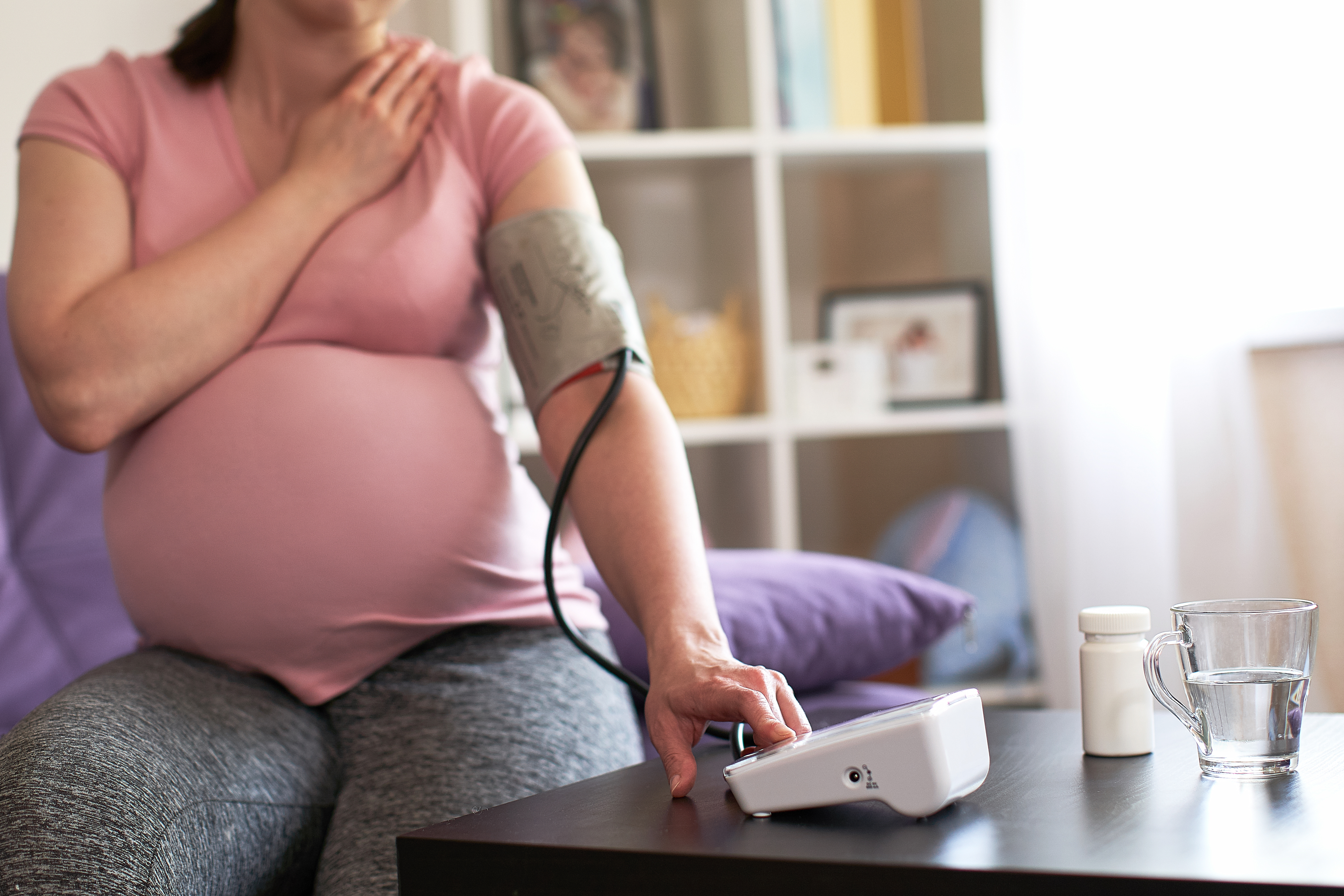
What Is Hypertension in Pregnancy?
Hypertension in pregnancy means having high blood pressure while you are pregnant. This condition can affect your health and your baby’s health. In the United States, many women face this issue each year. Because it can be serious, it is important to know the signs and how to manage it. Early care helps keep both mother and baby safe.
Common Symptoms and Warning Signs
Often, high blood pressure during pregnancy does not cause clear symptoms. However, you should watch for warning signs. For example, you may notice:
If you have any of these symptoms, contact your doctor right away. Early action can prevent problems.
Causes and Risk Factors
There are several reasons why hypertension in pregnancy can happen. Sometimes, it starts before pregnancy. Other times, it develops during pregnancy. Some common risk factors include:
Because these risks can add up, it is important to share your health history with your doctor. This helps them watch for early signs.
How Is Hypertension in Pregnancy Diagnosed?
Doctors check your blood pressure at every prenatal visit. If your numbers are high, they may do more tests. For instance, they might check your urine for protein. They may also order blood tests to see how your organs are working. Sometimes, they use ultrasound to check your baby’s growth. Early diagnosis helps guide the right treatment.
Treatment Options and Management Strategies
Treatment depends on how high your blood pressure is and how far along you are in pregnancy. In many cases, doctors suggest:
Because every pregnancy is different, your doctor will make a plan just for you. Following their advice can lower risks for you and your baby.
Possible Complications for Mother and Baby
Without proper care, hypertension in pregnancy can cause problems. For mothers, it may lead to:
For babies, risks include:
However, with regular care, many women have healthy pregnancies and babies.
Prevention Tips and Healthy Lifestyle Guidance
While you cannot prevent all cases, you can lower your risk. Here are some helpful tips:
Because small changes can make a big difference, start healthy habits early. This helps protect both you and your baby.
When to Seek Medical Help
If you notice any warning signs, such as severe headache, vision changes, or swelling, call your doctor right away. Early care can prevent serious problems. Even if you feel fine, keep all your prenatal appointments. Your doctor will watch for any changes and guide you on the best steps.
Conclusion
Hypertension in pregnancy can be managed with the right care. By knowing the symptoms, risks, and treatment options, you can take steps to protect your health and your baby’s health. Consult your healthcare provider for personalized advice on hypertension in pregnancy.