
Understanding Cervical Cancer
Cervical cancer starts in the cells of the cervix, which is the lower part of the uterus. This type of cancer can be serious, but early detection makes it easier to treat. In fact, regular cervical cancer screening helps find changes before they turn into cancer. Because of this, many lives are saved each year.
Why Early Screening Matters
Early screening for cervical cancer is very important. When doctors find changes early, they can treat them before cancer develops. As a result, screening lowers the risk of advanced cancer. According to the World Health Organization (WHO), regular screening can prevent most cases of cervical cancer.
What Is a Pap Smear?
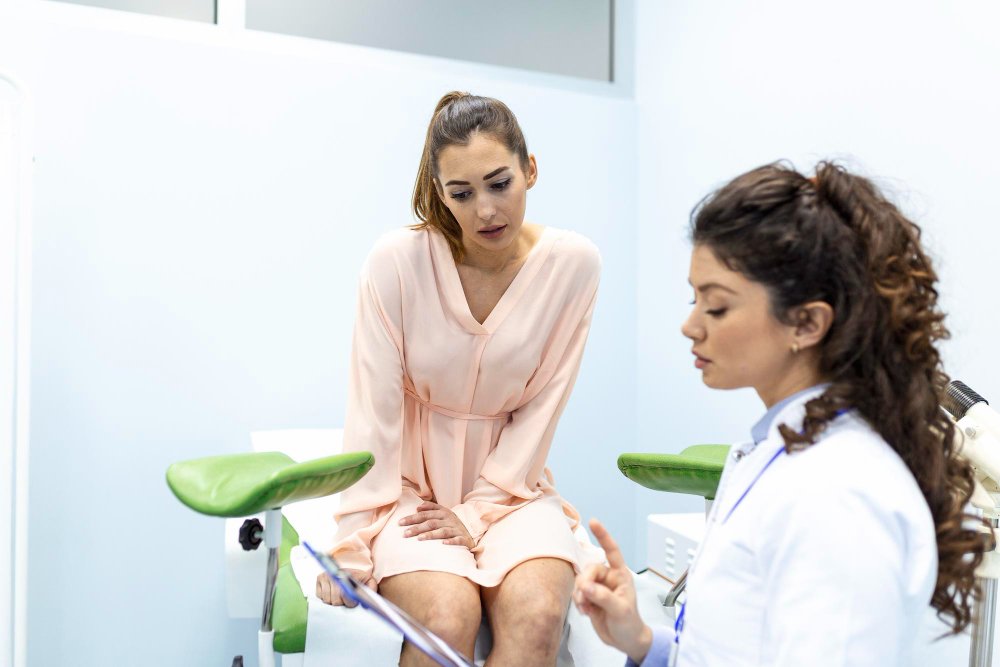
A Pap smear is a simple test that checks for abnormal cells in the cervix. Doctors use it to spot early changes that could lead to cancer. During the test, a small sample of cells is taken from the cervix. The process is quick and usually not painful. Most women should get a Pap smear every three years, starting at age 21. However, your doctor may suggest a different schedule based on your health.
What Is an HPV Test?
An HPV test looks for the human papillomavirus (HPV), which can cause cervical cancer. Like the Pap smear, this test uses a sample of cells from the cervix. The HPV test is often done at the same time as a Pap smear. Women aged 30 and older may get both tests every five years. Still, your doctor will guide you on the best timing for you.
Who Should Get Screened and When?
However, some women may need more frequent tests. For example, those with a history of cervical cancer or weakened immune systems should talk to their doctor.
Symptoms and Risk Factors of Cervical Cancer
Often, early cervical cancer has no symptoms. But as it grows, you may notice:
Several factors can raise your risk, such as:
Prevention Tips and Healthy Habits
There are steps you can take to lower your risk of cervical cancer. For example, you can:
These habits help protect your health in many ways.
How to Prepare for Screening
Preparing for a Pap smear or HPV test is easy. Before your test, try to:
Following these tips helps ensure the test results are accurate.
What to Expect After Screening
After your test, you can return to normal activities right away. Most women feel fine. Your doctor will contact you with the results. If the test finds abnormal cells or HPV, you may need more tests. But remember, abnormal results do not always mean cancer. Often, these changes go away on their own.
Conclusion
In summary, regular cervical cancer screening saves lives. Both Pap smears and HPV tests are simple and effective. If you have questions, consult a healthcare specialist for personalized cervical cancer screening advice.