
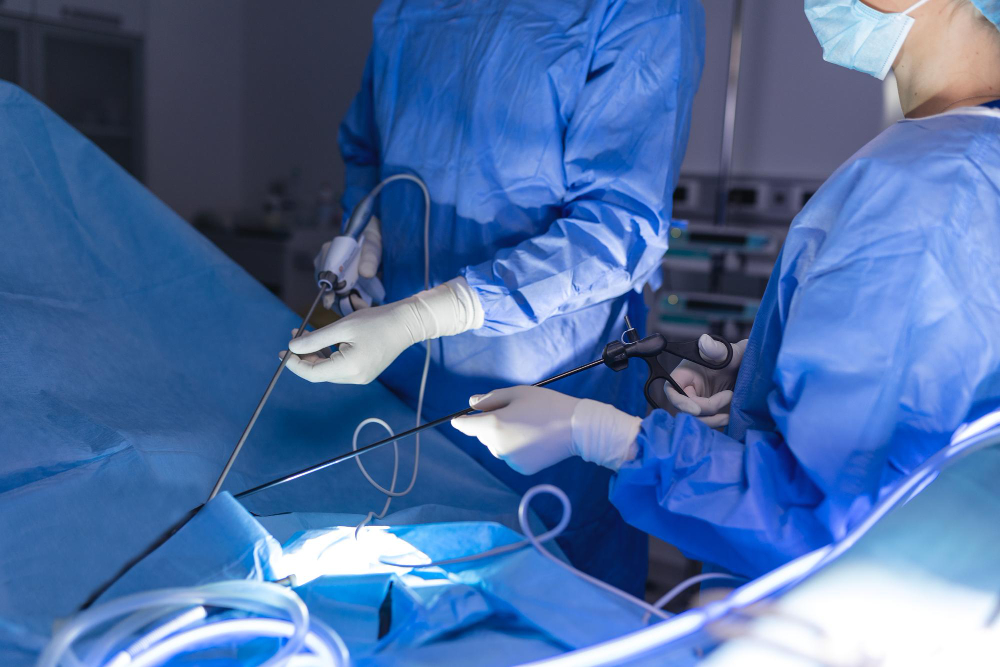
Laparoscopy is a common surgery in obstetrics and gynecology. It uses small cuts and a camera to look inside your belly. Many people want to know what recovering after laparoscopy is like. This guide will help you understand each step of recovery. You will learn what to expect day by day and get helpful tips for a smooth healing process.
What Is Laparoscopy?
Laparoscopy is a type of surgery done with tiny cuts. Doctors use a thin tube with a camera, called a laparoscope, to see inside your body. This method is less painful than open surgery. It is often used for problems like ovarian cysts, endometriosis, or checking for causes of pelvic pain. Because the cuts are small, recovery is usually faster.
Why Is Recovery Important?
Proper recovery helps your body heal well. It lowers the risk of problems like infection or slow healing. Also, following your doctor’s advice can help you return to normal life sooner. Good care after surgery can make a big difference in how you feel.
Day-by-Day Recovery Timeline
Day 1: Immediate Post-Op Care
After surgery, you may feel sleepy or sore. Nurses will check your vital signs and help you walk a little. You might have some pain or feel bloated. Most people go home the same day. However, you should rest and avoid heavy activity. Drink clear fluids and eat light foods if you feel hungry.
Days 2–3: Early Recovery
During these days, you may still feel tired. You might notice mild pain or shoulder aches from the gas used in surgery. Gentle walking helps your body heal. Take pain medicine as your doctor suggests. Keep your cuts clean and dry. If you feel up to it, try eating small, healthy meals.
Days 4–7: Gradual Improvement
By now, you should feel a bit stronger. Most people notice less pain and more energy. You can move around more, but avoid lifting heavy things. Keep watching your wounds for signs of infection. If you have stitches, follow your doctor’s care instructions. Many people return to light work or school during this time.
Week 2 and Beyond: Returning to Normal Activities
After two weeks, most people feel much better. You can slowly return to your usual routine. However, avoid hard exercise or heavy lifting until your doctor says it’s safe. If you have any concerns, ask your healthcare provider. Everyone heals at their own pace, so listen to your body.
Tips for a Smooth Recovery
Warning Signs: When to Contact Your Doctor
Sometimes, problems can happen after surgery. If you notice any of these signs, call your doctor right away:
Frequently Asked Questions
Remember, everyone heals differently. Consult your healthcare provider for personalized recovery advice after laparoscopy.