
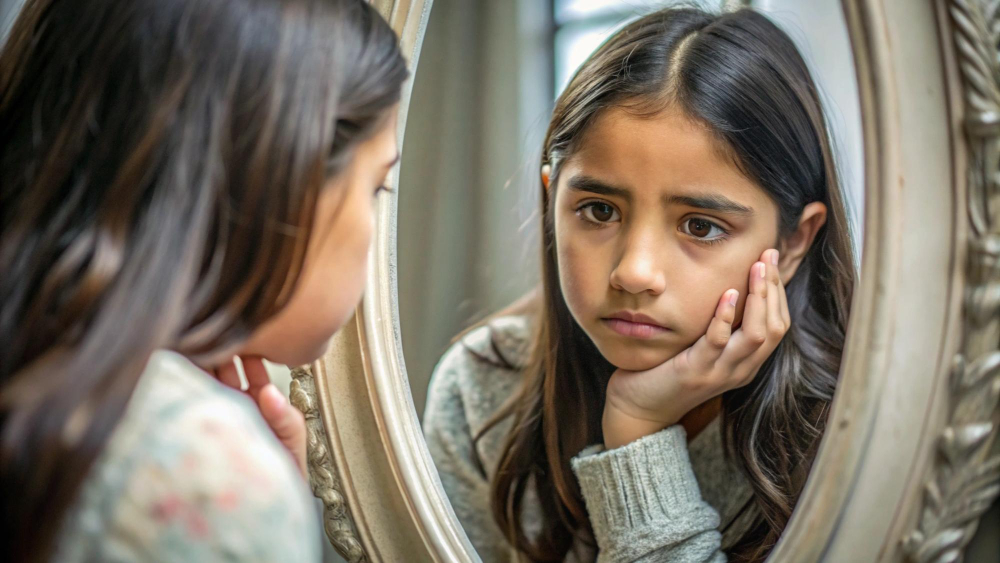
What Is Puberty?
Puberty changes are a natural part of growing up. During this time, a child’s body starts to develop into an adult body. Usually, puberty begins between ages 8 and 14. However, the timing can vary for each child. According to the CDC, puberty is a normal stage in adolescent development. It brings many physical and emotional changes. Parents and caregivers often have questions about what to expect during this period.
Normal Physical and Emotional Changes During Puberty
Most children experience a range of normal puberty symptoms. For example, both boys and girls may notice growth spurts. Additionally, they may develop body hair and changes in body shape. Emotional changes are also common. Teens might feel moodier or more sensitive than before. Below are some typical puberty changes:
Sometimes, these changes can feel overwhelming. Even so, most are a normal part of adolescent development.
Signs of Early Puberty (Precocious Puberty)
Sometimes puberty starts earlier than expected. This is called early puberty or precocious puberty. Usually, early puberty is when changes begin before age 8 in girls or before age 9 in boys. Early puberty signs may include:
If you notice these early puberty signs, it is important to talk with a healthcare provider. Early puberty can affect a child’s health and emotional well-being.
Signs of Delayed Puberty
On the other hand, some children may not start puberty when expected. Delayed puberty means no signs of puberty by age 13 in girls or age 14 in boys. Signs of delayed puberty include:
Although delayed puberty is often harmless, sometimes it can signal a health problem. Therefore, it is wise to seek medical advice if you notice these signs.
When to Seek Medical Advice
Puberty health is important for every child. While most changes are normal, some may need medical attention. You should contact a healthcare provider if:
Because every child is unique, a doctor can help answer questions about adolescent development. The CDC and WHO recommend regular check-ups during these years.
Tips for Supporting Adolescents Through Puberty
Puberty support for parents is key. As children go through puberty changes, they need understanding and guidance. Here are some ways to help:
Above all, let your child know that puberty is a normal part of growing up. With support, most adolescents handle these changes well.