
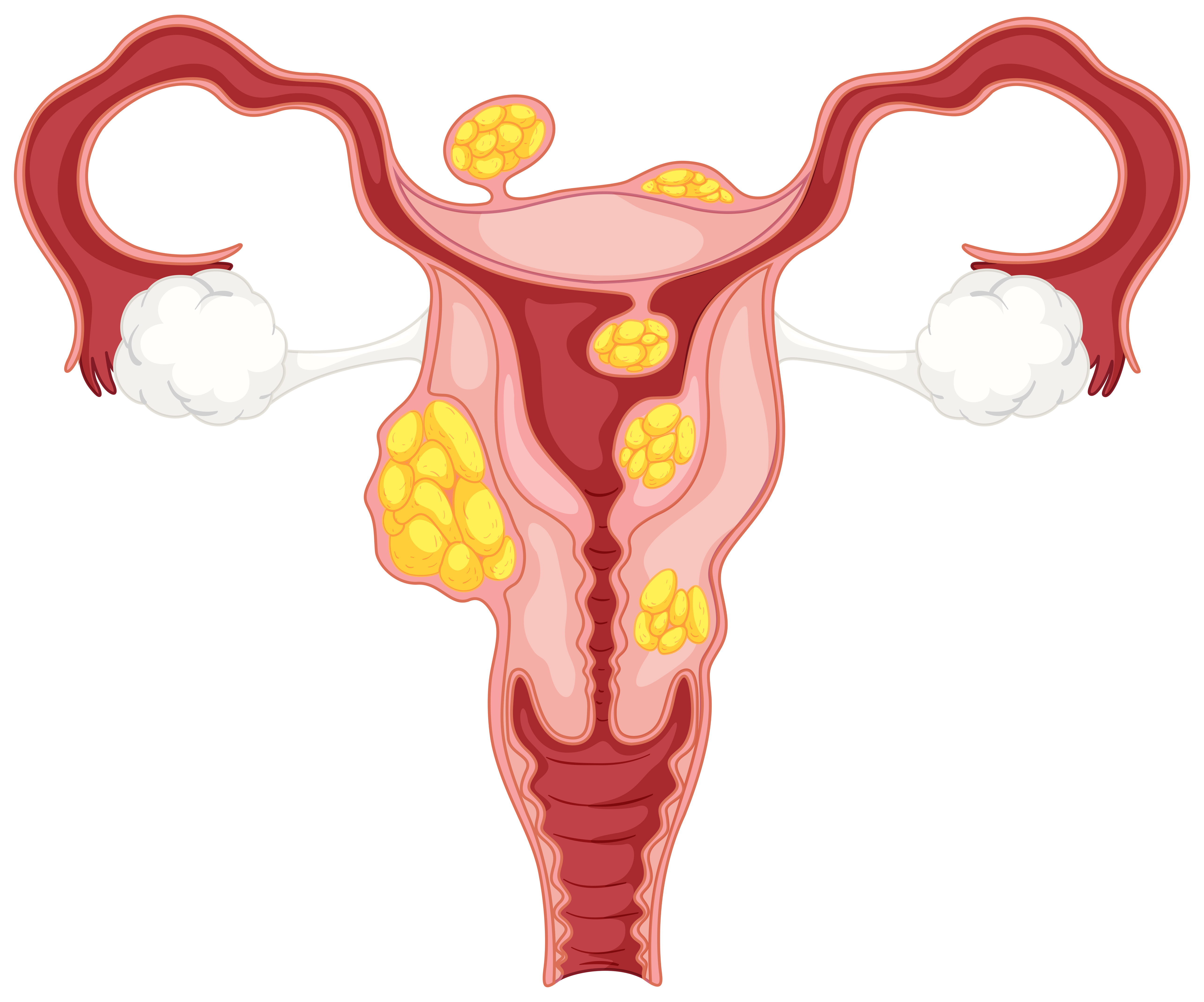
What is Endometriosis?
Endometriosis is a health condition that affects many women. In this condition, tissue similar to the lining inside the uterus grows outside the uterus. Because of this, women may feel pain, especially during their periods. According to the World Health Organization (WHO), endometriosis can affect daily life and may make it hard to get pregnant. Although it is common, many people do not know they have it. For this reason, learning about endometriosis is important for early care.
Causes of Endometriosis
Doctors and scientists are still learning about the causes of endometriosis. However, several theories help explain why it may happen. For example, one idea is called “retrograde menstruation.” In this case, some menstrual blood flows backward into the pelvis instead of leaving the body. As a result, cells from the uterus lining may stick to other organs and grow there. Another possible cause is genetics. If your mother or sister has endometriosis, you may have a higher risk. Additionally, problems with the immune system may play a role. Sometimes, the body does not remove these misplaced cells as it should. While these ideas help us understand endometriosis, the exact cause is still unknown.
Symptoms of Endometriosis
Endometriosis symptoms can be different for each person. Yet, some signs are more common than others. Often, women notice pain in the lower belly or back, especially during their periods. In some cases, the pain can be severe and last for days. Besides pain, other symptoms may appear. For instance, some women have trouble getting pregnant. Others may feel tired or have heavy periods. Less common symptoms include pain during sex or when using the bathroom. Because these symptoms can look like other health problems, it is important to pay attention to your body. Below are some common and less common signs:
Sometimes, women with endometriosis have no symptoms at all. Therefore, regular check-ups are important if you notice any changes in your body.
When to See a Doctor
If you have any of these symptoms, it is a good idea to talk to a healthcare specialist. Early diagnosis can help manage endometriosis and improve your quality of life. Remember, only a doctor can give you the right advice and treatment plan.
In summary, endometriosis is a common but often misunderstood condition. Learning about its causes and symptoms can help you take charge of your health. If you have concerns, consult your doctor for personalized advice.